aspire gotek x charging instructions

Aspire Gotek X Charging Instructions: A Comprehensive Guide

Navigating the Aspire Gotek X’s charging process requires understanding its indicators, troubleshooting potential issues, and prioritizing battery health for optimal longevity and performance.

Understanding the Basics of Charging

The Aspire Gotek X utilizes a standard USB connection for charging, typically USB Type-C, ensuring broad compatibility with readily available power sources. Proper charging is vital for consistent performance and extending the device’s lifespan. Initially, ensure the pod is securely connected, as a loose connection can sometimes prevent charging from initiating.

Avoid using fast chargers or high-output adapters unless specifically recommended by Aspire, as these can potentially damage the battery over time. The Gotek X’s charging circuit is designed for standard USB power delivery. Regularly checking the charging port for debris is crucial, as obstructions can hinder a solid connection. Understanding the light indicators – solid red, flashing green, and flashing blue – is key to diagnosing charging status and potential problems.

Remember, consistent and correct charging practices are fundamental to enjoying a reliable vaping experience with your Aspire Gotek X.

Compatible Chargers and Cables

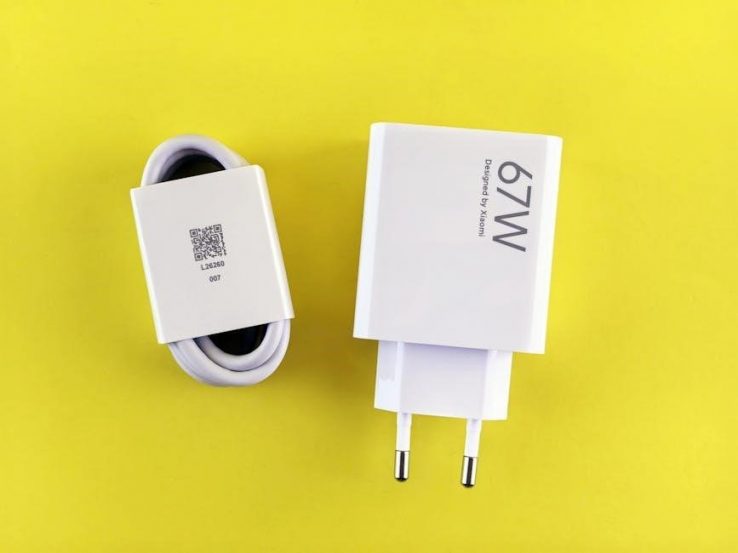
The Aspire Gotek X is optimally charged using a 5V/1A USB power adapter and a compatible USB Type-C cable. While most standard USB-C cables will physically fit, utilizing a quality cable ensures stable power delivery and efficient charging. Avoid using fast charging adapters or those exceeding 5V/1A, as they may potentially harm the battery’s long-term health.

Officially, Aspire doesn’t specify strict cable requirements, but a well-shielded cable minimizes interference and maximizes charging speed. Using the original cable included with your Gotek X is always recommended. If a replacement is needed, prioritize cables designed for data transfer and power delivery. Cheap or damaged cables can lead to intermittent charging or complete failure.

Ensure the adapter and cable are in good working condition, free from fraying or damage, to guarantee a safe and effective charging process for your device.

Initial Charging Procedure

Upon receiving your Aspire Gotek X, a full initial charge is crucial for maximizing battery lifespan and ensuring accurate power level readings. Connect the provided USB Type-C cable to the charging port on the bottom of the device and plug the other end into a compatible 5V/1A USB power adapter.

During the first charge, allow the device to charge uninterrupted for approximately 2-3 hours, even if the charging indicator light appears to show a full charge sooner. This ensures complete saturation of the battery cells. Avoid using the device while it’s initially charging to prevent potential complications.

Once fully charged, disconnect the device and cycle the power on and off a few times to calibrate the battery level indicator. This initial charging process sets the foundation for optimal performance and longevity.

Charging Indicators: What the Lights Mean
The Aspire Gotek X utilizes a multi-color LED indicator to communicate its charging status and potential issues. Understanding these signals is vital for proper device operation. A solid red light signifies that the device is actively charging and receiving power.

Once fully charged, the indicator will transition to a flashing green light, often accompanied by multiple flashes – some users report up to 20 – indicating the charging cycle is complete. A flashing blue light, however, signals a potential problem, often related to a poor connection, incompatible charger, or internal device error.

Pay close attention to these light patterns, as they provide valuable insight into the charging process and help diagnose any potential issues that may arise. Ignoring these signals could lead to reduced battery life or device malfunction.

Solid Red Light During Charging

A consistently illuminated red light on your Aspire Gotek X unequivocally indicates that the device is currently receiving power and actively charging. This is the expected behavior when the device is connected to a compatible power source using a functional USB cable.

The presence of a solid red light confirms a successful connection and the initiation of the charging process. However, it doesn’t necessarily indicate a fast charge; charging speed depends on the power output of the adapter.

Ensure the cable is securely connected to both the device and the power adapter. If the red light doesn’t appear, investigate potential connection issues or a faulty charger. A stable red light is a positive sign, assuring you the battery is replenishing its power reserves.

Flashing Green Light (Post-Charge)

A flashing green light on your Aspire Gotek X signals the completion of the charging cycle. This isn’t a continuous state; the device will typically flash green multiple times – some users have reported up to twenty flashes – to emphatically confirm full charge attainment.

This flashing sequence is a deliberate design feature, providing clear visual feedback that the battery has reached its maximum capacity. Once the flashing ceases, the device is ready for vaping.

While the flashing green light is reassuring, it’s generally advisable not to leave the device connected to the charger for extended periods after it’s fully charged to preserve long-term battery health. Disconnect it and enjoy your vaping experience!

Flashing Blue Light: Troubleshooting
A flashing blue light on your Aspire Gotek X typically indicates a problem during the charging process. This isn’t a standard charging indicator, signaling the need for immediate troubleshooting steps to restore functionality.

First, try a different USB cable to rule out a faulty connection. A damaged or low-quality cable can disrupt the charging flow. Secondly, clean the charging contacts on both the device and the charger; debris accumulation can impede a solid connection.

If the issue persists, attempt charging with a different USB power adapter. A weak or incompatible adapter might not deliver sufficient power. Remember to also consider pod replacement, as a faulty pod can sometimes contribute to charging errors.

Troubleshooting: Why Your Gotek X Isn’t Charging

If your Aspire Gotek X refuses to charge, a systematic approach to troubleshooting is essential. Begin by meticulously checking the charging port for any debris – lint, dust, or e-liquid residue can obstruct the connection. A gentle cleaning with a dry cotton swab is recommended.

Next, test with a different USB cable; cables are often the culprit behind charging failures. Following this, try a different USB power adapter, ensuring it provides adequate power output. A wall adapter is generally more reliable than a computer USB port.

Don’t overlook the possibility of a software glitch; a hard reset can often resolve minor charging issues. Finally, consider the age of your device and potential battery degradation.

Checking the Charging Port for Debris

A frequently overlooked cause of charging issues is a blocked or contaminated charging port on your Aspire Gotek X. Even minuscule particles of dust, lint, or – crucially – e-liquid residue can create a barrier, preventing a solid electrical connection. This obstruction disrupts the flow of power, leading to charging failures or intermittent charging.

To inspect the port, use a bright light source to illuminate the interior. Carefully examine for any visible debris. Avoid using metal objects for cleaning, as these can cause short circuits or damage the port’s delicate contacts. Instead, employ a dry, soft-bristled brush or a cotton swab to gently dislodge any obstructions.

Ensure the device is powered off during this process.

Testing with a Different USB Cable

A faulty USB cable is a surprisingly common culprit when your Aspire Gotek X refuses to charge. Cables can degrade over time due to bending, twisting, and general wear and tear, leading to internal breaks or compromised conductivity. Even if a cable appears undamaged, it may not be delivering sufficient power.

To diagnose a cable issue, try charging your Gotek X with a different USB cable that you know is functioning correctly. Ideally, use a cable specifically designed for data transfer and charging, as some cheaper cables only provide a limited current.

If the device charges successfully with a different cable, the original cable is undoubtedly the problem and should be replaced. This simple test can quickly eliminate a potential source of frustration.

Trying a Different USB Power Adapter

If a different USB cable doesn’t resolve the charging issue, the problem might lie with your USB power adapter (the “wall wart”). Adapters can fail or may not provide the necessary amperage to efficiently charge the Aspire Gotek X. Using an adapter with insufficient power output will result in slow charging, or no charging at all.

Test your Gotek X with a different USB power adapter that you know is working correctly. A 5V/1A or 5V/2A adapter is generally recommended. Avoid using adapters from unknown or unreliable brands, as they may not meet safety standards or deliver consistent power.

If the device charges successfully with a different adapter, replace the original adapter. This confirms that the original adapter was the source of the problem, restoring power to your vaping experience.

Battery Health and Lifespan

The longevity of your Aspire Gotek X’s battery is crucial for consistent performance. Like all rechargeable batteries, the battery within your device will experience natural degradation over time and with usage. Factors like charging habits, temperature exposure, and overall usage patterns significantly impact battery lifespan.

Avoid completely draining the battery frequently. While occasional full discharge isn’t harmful, consistently running the battery to zero can accelerate degradation. Regular, partial charges are generally better for battery health. If you’ve had your Gotek X for a considerable time, expect some reduction in battery capacity.

Proper care and mindful charging practices will maximize the battery’s lifespan, ensuring you enjoy your vaping experience for longer. Ignoring battery health can lead to reduced vapor production and eventual device malfunction.

Avoiding Overcharging
While the Aspire Gotek X incorporates safety features, preventing overcharging is vital for maintaining optimal battery health and device longevity. Leaving your device plugged in for extended periods after it’s fully charged isn’t ideal, even with built-in protection circuits.

It’s best practice to disconnect the Gotek X once charging is complete. Although modern devices often cease drawing power when fully charged, prolonged exposure to a power source can generate heat and potentially degrade the battery over time.

Avoid charging overnight as a standard practice. Regularly monitoring the charging process and disconnecting promptly ensures you’re not subjecting the battery to unnecessary stress. Consistent adherence to these guidelines will contribute to a longer, healthier lifespan for your Aspire Gotek X.

The Importance of Regular Pod Replacement

Consistent pod replacement is crucial not only for optimal flavor and vapor production but also for ensuring reliable charging and overall device performance with your Aspire Gotek X. A compromised pod can indirectly impact the charging process, leading to inconsistent readings or even preventing a charge from initiating.

Aspire recommends replacing your pod every 5-7 days, or sooner if you detect a burnt taste or diminished vapor. Old pods can accumulate residue that affects conductivity and potentially interferes with the connection to the device, hindering charging efficiency.

Using a fresh pod guarantees a clean connection, which is essential for a stable charge. Regularly replacing the pod contributes to a better vaping experience and safeguards the longevity of your Aspire Gotek X.

Hard Resetting the Device for Charging Issues

When facing persistent charging problems with your Aspire Gotek X, a hard reset can often resolve minor software glitches that impede proper functionality. This process effectively restarts the device’s internal systems, clearing temporary errors that might be preventing a successful charge.

Performing a hard reset is a simple yet effective troubleshooting step. While the specific method may vary, generally it involves a sequence of button presses – consult your device manual for precise instructions.

A hard reset doesn’t affect your stored settings, but it can clear up communication errors between the battery, charging circuit, and the device’s software. If charging issues persist after a reset, consider other troubleshooting steps like cable or adapter checks.

Addressing Intermittent Charging Problems

Intermittent charging with your Aspire Gotek X can be frustrating, often manifesting as a flickering light during the charging process or periods where no light appears at all. These issues suggest an unstable connection or a potential problem with the charging circuitry.

A flickering light often indicates a loose connection, so ensure the cable is firmly plugged into both the device and the power adapter. If no light shows when charging, try a different USB cable and wall adapter to rule out faulty accessories.

Remember that prolonged disuse can also contribute to charging difficulties; a full charge cycle may be needed to recondition the battery. Consistent issues warrant further investigation, potentially indicating a need for professional assistance.

Flickering Light During Charging

A flickering light while charging your Aspire Gotek X is a common signal indicating an unstable power connection. This doesn’t necessarily mean a critical failure, but it requires immediate attention to prevent potential damage or interrupted charging.

The primary cause is often a loose USB cable connection, either at the device’s charging port or the USB power adapter. Carefully disconnect and reconnect both ends, ensuring a secure fit. Try a different USB cable – cables can degrade over time, leading to intermittent conductivity.

Cleaning the charging contacts can also resolve the issue, removing any dust or debris that might be interfering with the connection. If the flickering persists, consider testing with a different USB power adapter to rule out a faulty power source.
No Light Showing When Charging

When the Aspire Gotek X displays no light whatsoever during charging, it suggests a more significant issue requiring systematic troubleshooting. This indicates the device isn’t recognizing a power source, potentially stemming from several causes.

First, meticulously check the USB cable and power adapter. Ensure the cable is firmly connected to both the Gotek X and the adapter, and that the adapter is functioning correctly with another device. A completely dead battery might also prevent any light indication initially; allow it to charge for a longer duration – several hours – before reassessing.

If still no response, a hard reset might resolve software glitches. Remember, prolonged disuse can also lead to this issue, requiring an extended charging period to ‘wake’ the battery. If problems persist, further assistance may be needed.
Charging After Prolonged Disuse
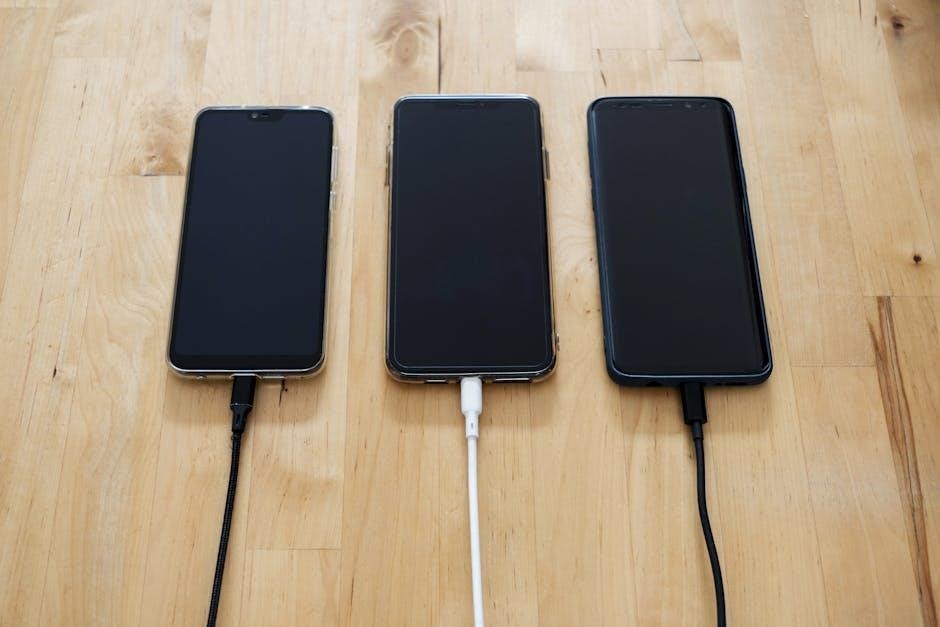
If your Aspire Gotek X hasn’t been used for an extended period, the battery may have entered a deep discharge state, requiring a specific charging approach to revive it. Initially, the device might appear unresponsive, displaying no charging indicators when connected to a power source.

Patience is key. Connect the Gotek X to a functioning USB power adapter using a compatible cable and allow it to charge undisturbed for several hours – potentially up to 2-3 hours or even overnight. This extended charging time allows the battery to slowly regain a minimal charge, enough to trigger the charging indicator.

Avoid repeatedly disconnecting and reconnecting the device during this initial phase, as it can interrupt the recovery process. Once a charging light appears, proceed with normal charging procedures.

Safety Precautions While Charging

Prioritizing safety during the charging process is crucial for both the longevity of your Aspire Gotek X and your personal well-being. Always utilize a certified USB power adapter and a compatible charging cable to prevent potential damage from voltage fluctuations or faulty components.

Avoid charging the device on flammable surfaces or near combustible materials. Never leave the Gotek X unattended while charging, especially overnight. While not explicitly stated as a major risk, prolonged overcharging can degrade battery health, so mindful charging is recommended.

Do not expose the device to extreme temperatures or direct sunlight during charging. If you notice any unusual smells, overheating, or visible damage during the charging process, immediately disconnect the device and discontinue use.

Cleaning the Charging Contacts

Maintaining clean charging contacts is essential for a reliable connection and efficient charging of your Aspire Gotek X. Over time, dust, debris, or e-liquid residue can accumulate, hindering the flow of power and causing intermittent charging issues.

To clean the contacts, first ensure the device is powered off and disconnected from any power source. Use a dry, soft-bristled brush, such as a clean toothbrush, to gently remove any visible debris from both the charging port on the device and the USB cable connector.

For stubborn residue, lightly dampen the brush with isopropyl alcohol (90% or higher) and carefully clean the contacts. Allow the contacts to completely dry before reconnecting the device for charging. Avoid using excessive liquid or abrasive materials, as these can damage the delicate components.

Pod Connection and Charging

A secure pod connection is surprisingly crucial for consistent charging with the Aspire Gotek X. A loose connection can interrupt the power flow, leading to charging failures or intermittent issues. Always ensure the pod is firmly seated in the device before initiating a charge.

Before charging, double-check that the pod is properly inserted and that there are no gaps or wobbles. If the device isn’t recognizing the pod, try removing and reinserting it several times. A loose connection can prevent the device from firing, as well as charging.

Regular pod replacement (every 5-7 days) is also recommended, as a damaged or worn pod can contribute to connection problems. Replace the pod when you notice a burnt taste or reduced vapor production, ensuring optimal performance and reliable charging.

Long-Term Battery Maintenance

Prolonging the lifespan of your Aspire Gotek X’s battery requires mindful charging habits and consistent care. Avoid leaving the device on charge overnight, as prolonged overcharging can degrade battery health over time. Always use the correct charging cable to ensure optimal power delivery and prevent damage.

If you’ve had your Aspire Gotek X for a while, it may experience natural wear and tear in its battery life cycle. Battery health is a crucial factor that often gets ignored until issues arise. Consider performing a hard reset periodically to clear minor software glitches that might impact charging efficiency.

Storing the device properly when not in use – in a cool, dry place – can also contribute to long-term battery health. Regular use, coupled with responsible charging, will maximize the battery’s performance and longevity.

When to Seek Further Assistance

Despite diligent troubleshooting, some charging issues may require professional attention. If your Aspire Gotek X consistently fails to charge after attempting all recommended solutions – checking the port, trying different cables and adapters, and performing a hard reset – it’s time to seek help.

Persistent flickering lights during charging, or a complete lack of response even when connected to a power source, could indicate a more serious internal problem. Don’t attempt to disassemble the device yourself, as this could void any warranty and potentially cause further damage.

Contact Aspire’s customer support or a qualified vape repair technician for assistance. Provide them with a detailed description of the problem and the steps you’ve already taken. They can offer specialized guidance or assess whether a repair or replacement is necessary.


cuisinart instructions ice cream maker

Welcome to the Cuisinart Ice Cream Maker, a top choice for crafting delicious homemade desserts with ease and precision.

Whether you’re making classic ice cream, frozen yogurt, or sorbet, this machine offers simplicity and versatility for every dessert lover.

With models like the ICE-21 and ICE-20, it’s designed to churn perfect treats quickly, ensuring a creamy texture in just minutes.

Overview of the Cuisinart Ice Cream Maker

The Cuisinart Ice Cream Maker, including models like the ICE-20 and ICE-21, is a versatile kitchen appliance designed for homemade frozen treats. It features automatic operation, a double-insulated freezer bowl, and fast churning times, typically under 20 minutes. Perfect for ice cream, frozen yogurt, and sorbet, this machine allows users to create customizable desserts with ease. Its compact and user-friendly design makes it ideal for families and dessert enthusiasts alike, ensuring delicious and healthier options right at home. Easy to use and clean, it’s a great addition to any kitchen.

Why Choose the Cuisinart Ice Cream Maker

Choose the Cuisinart Ice Cream Maker for its unmatched convenience and versatility in creating homemade frozen desserts. With automatic operation, it simplifies the process, requiring minimal effort. The double-insulated freezer bowl ensures quick and efficient churning, while the compact design saves kitchen space. Perfect for ice cream, frozen yogurt, and sorbet, it offers customization options to suit every taste. Its ease of use and durability make it a top choice for families and dessert lovers, providing delicious results every time with minimal cleanup.

Key Features and Benefits

The Cuisinart Ice Cream Maker offers automatic operation, a double-insulated freezer bowl, and fast churning time, ensuring creamy results in minutes with minimal effort and cleanup.

Automatic Operation for Convenience

The Cuisinart Ice Cream Maker offers effortless operation, allowing you to create homemade desserts with minimal effort. Simply pour your ingredients into the machine, turn it on, and let it do the work. This feature makes it ideal for both novice and experienced users, ensuring consistent results every time.

The automatic operation eliminates the need for manual churning, saving you time and effort. With models like the ICE-21 and ICE-20, you can enjoy perfectly churned ice cream, frozen yogurt, or sorbet in less than 20 minutes. Its user-friendly design ensures a smooth experience for everyone, including families with children, making it a delightful addition to any kitchen.

Double Insulated Freezer Bowl

The Cuisinart Ice Cream Maker features a double insulated freezer bowl, designed to maintain optimal temperature during the churning process. This ensures a smoother, creamier texture for your homemade ice cream, frozen yogurt, or sorbet. The insulation keeps the bowl cold for a longer period, allowing faster freezing and even churning. Simply pre-freeze the bowl overnight, add your ingredients, and let the machine work its magic. This innovative design enhances efficiency and convenience, making it easier to achieve professional-quality results at home.

Fast Churning Time

The Cuisinart Ice Cream Maker stands out for its fast churning time, producing delicious frozen treats in under 20 minutes. Its efficient design ensures quick results without compromising on quality. Whether you’re making ice cream, sorbet, or frozen yogurt, the machine works rapidly to churn ingredients into a smooth, consistent texture. This feature makes it ideal for busy households or those who want to enjoy fresh desserts with minimal wait time. The quick process also helps preserve the freshness and flavor of your ingredients, ensuring a delightful experience every time.

Assembly and Preparation

Assembly is quick and straightforward, requiring minimal effort to secure the spindle and paddle. Organize ingredients beforehand for a seamless experience with your Cuisinart ICE-21 or ICE-20.

Unboxing and Initial Setup

Upon unboxing, carefully inspect all components, including the motor unit, freezer bowl, and paddle. Ensure the spindle is securely attached to the motor unit’s base for proper operation. Wash all parts with warm, soapy water before first use. Dry thoroughly to prevent any moisture issues. Place the freezer bowl in the freezer for at least 6 hours to pre-chill, ensuring optimal churning performance. This setup process guarantees a smooth start to your ice cream-making journey with the Cuisinart ICE-21 or ICE-20.

Understanding the Components

The Cuisinart Ice Cream Maker consists of key parts: the motor unit, freezer bowl, paddle, and spindle. The motor unit powers the machine, while the double-insulated freezer bowl ensures even freezing. The paddle mixes ingredients for a smooth texture, and the spindle connects it to the motor. These components work together to churn ingredients into creamy desserts. Understanding each part’s role is essential for proper assembly and operation, ensuring you achieve the best results with your Cuisinart ICE-21 or ICE-20 model.

Step-by-Step Assembly Guide

Begin by securing the spindle to the motor unit or lid, ensuring it’s tightly fastened. Next, attach the paddle to the spindle, aligning it properly for even mixing. Place the double-insulated freezer bowl onto the motor base, making sure it clicks into position. Finally, pour your prepared ingredients into the bowl and start the machine. Always refer to the manual for specific model instructions, such as the ICE-21 or ICE-20, to ensure correct assembly and optimal performance. Proper alignment and secure fitting are crucial for smooth operation.

Operating the Cuisinart Ice Cream Maker

Turn on the machine, pour ingredients into the spout, and let it churn. The automatic feature ensures hands-free operation, delivering creamy desserts in under 20 minutes.

Pre-Operation Checks

Before using your Cuisinart Ice Cream Maker, ensure all components are secure and ready. Check that the spindle is firmly attached to the motor unit and the paddle is properly aligned. Verify that the freezer bowl is pre-chilled for at least 6 hours if required by your model. Gather all ingredients and ensure they are pre-measured and chilled. Make sure the machine is placed on a stable, even surface. Lastly, review the recipe and instructions to confirm everything is prepared correctly for a smooth operation.

Adding Ingredients

When using your Cuisinart Ice Cream Maker, ensure the machine is turned on before adding ingredients to the freezer bowl for proper mixing. Add pre-measured, chilled ingredients through the spout, allowing even incorporation. Avoid overloading the bowl to maintain efficiency. Keep ingredients ready and within reach to streamline the process. Proper addition ensures a smooth and consistent final product, making your homemade desserts a success every time.

Starting the Machine

Once all ingredients are prepared, ensure the freezer bowl is securely placed under the motor unit. Attach the paddle to the spindle and lock it in place. Plug in the machine and turn it on using the power switch. The machine will begin churning automatically, creating a smooth and creamy texture. Always follow the manufacturer’s guidelines for operation to ensure optimal performance. The machine will handle the rest, producing delicious results in minutes. Proper setup ensures safe and efficient operation.

Monitoring the Churning Process

While the machine operates, monitor the churning process to ensure everything runs smoothly. The transparent lid allows you to view the mixture as it transforms. You’ll hear the motor working and see the paddle moving. The machine will stop automatically once the churning is complete, typically within 15-20 minutes. Check the consistency by lifting the lid slightly. If the mixture is too runny, let it churn a few more minutes. Avoid overfilling the bowl, as this can affect performance. Always refer to the manual for troubleshooting tips if needed. Proper monitoring ensures perfect results.

Recipe Ideas and Customization

Explore endless possibilities with classic recipes, frozen yogurt, and sorbet. Customize flavors by adding mix-ins like fruits, nuts, or cocoa for unique treats tailored to your taste.

Classic Ice Cream Recipes

Start with timeless favorites like vanilla, chocolate, or strawberry ice cream. These simple yet delicious recipes are perfect for beginners and loved by everyone.

Combine cream, sugar, and flavorings, then churn until smooth. For added texture, mix in chocolate chips, nuts, or fruit pieces during the final stages of churning.

Classic recipes provide a foundation for creativity, allowing you to experiment with unique flavors and ingredients for personalized treats. Enjoy the perfect blend of tradition and innovation!

Frozen Yogurt and Sorbet Options

Expand your dessert options with the Cuisinart Ice Cream Maker by crafting delicious frozen yogurt and sorbet. Frozen yogurt offers a lighter, healthier alternative to traditional ice cream, while sorbet provides a fruity, dairy-free treat.

Both options are easy to make—simply add your preferred ingredients, such as yogurt or pureed fruit, to the machine. The automatic churning process ensures a smooth, even texture in minutes.

Customize flavors with mix-ins like berries, nuts, or cocoa powder for added taste and texture. These options are perfect for dietary restrictions or refreshing summer treats.

Customizing Flavors

Customizing flavors with your Cuisinart Ice Cream Maker is effortless and fun. Experiment with unique ingredients like cocoa powder for chocolate ice cream or vanilla extract for a classic taste.

Add mix-ins such as berries, nuts, or candy pieces toward the end of the churning process for a personalized touch. For a lighter option, incorporate fresh fruit purees or citrus zest.

With endless possibilities, you can create vegan-friendly or dairy-free versions using plant-based milks. Layer flavors in the freezer for a multi-colored, multi-flavored dessert. The machine’s versatility ensures every batch is tailored to your taste.

Troubleshooting Common Issues

If the machine isn’t turning on, ensure it’s properly plugged in and all parts are securely assembled. If the motor is noisy, check for obstructions or uneven balancing.

If ice cream isn’t churning, verify that the freezer bowl is fully frozen and ingredients are at the correct temperature. Overloaded machines may struggle, so avoid excess mix.

For icy textures, ensure ingredients are cold but not frozen solid. If the paddle isn’t moving, make sure it’s securely attached to the spindle.

Refer to the manual for detailed solutions, and always follow safety guidelines to prevent damage or injury.

Maintenance and Storage

Regularly clean the machine with warm, soapy water and dry thoroughly. Store the freezer bowl in a dry place, and keep components organized for easy access.

Cleaning the Machine

Cleaning your Cuisinart Ice Cream Maker is essential for maintaining hygiene and performance. After each use, wash the freezer bowl, lid, and paddle with warm, soapy water. Avoid using abrasive cleaners or scourers, as they may damage the surfaces. Rinse thoroughly and dry with a soft cloth to prevent water spots. For tough residue, soak parts in warm water before scrubbing gently. Regular cleaning ensures your machine remains in top condition and prevents any lingering flavors from affecting future batches. Always check for stubborn stains and clean them promptly to maintain optimal functionality. Cleaning regularly also extends the lifespan of your ice cream maker and keeps it ready for the next use.

Storing the Ice Cream Maker

Proper storage of your Cuisinart Ice Cream Maker ensures its longevity and performance. After cleaning, store the machine in a cool, dry place, away from direct sunlight. The freezer bowl should be kept in the freezer if you plan to use it soon or in a dry location otherwise. Always detach the cord and store it separately to prevent tangling. Avoid stacking heavy objects on the machine to avoid damage. Regularly inspect stored parts for moisture or dust and address any issues promptly. Proper storage maintains the machine’s efficiency and readiness for future use.

Regular Maintenance Tips

Regular maintenance ensures your Cuisinart Ice Cream Maker performs optimally. After each use, thoroughly clean and dry all components to prevent residue buildup. Lubricate moving parts occasionally to maintain smooth operation. Check the paddle and spindle for wear and replace if necessary. Store the freezer bowl properly to avoid moisture damage. Descale the machine if you notice mineral buildup. Always inspect the cord and plug for damage before use. Regular checks and upkeep will extend the lifespan of your ice cream maker and ensure consistent results. Proper care ensures years of delicious homemade desserts.

Warranty and Support

The Cuisinart Ice Cream Maker is backed by a limited warranty covering defects in materials and workmanship. Customer support is available for troubleshooting and inquiries.

Understanding the Warranty

The Cuisinart Ice Cream Maker is warranted to be free of defects in materials and workmanship under normal home use for a specified period. This warranty covers manufacturing defects, ensuring your machine performs as promised. Coverage typically lasts for three years from the date of purchase, offering peace of mind for your investment. The warranty does not apply to misuse, accidental damage, or wear and tear. To validate your warranty, register your product with Cuisinart and retain your purchase receipt. Contact customer support for warranty claims or inquiries.

Customer Support Options

Cuisinart offers comprehensive customer support to ensure a smooth experience with your ice cream maker. You can contact their support team via phone, email, or live chat for assistance with troubleshooting, maintenance, or general inquiries. Additionally, Cuisinart provides online resources, including user manuals, troubleshooting guides, and FAQs, to help you resolve issues independently. Their dedicated support team is available to address concerns and provide guidance, ensuring your ice cream maker continues to perform optimally. For replacement parts or repairs, reach out to their customer service for prompt solutions.

The Cuisinart Ice Cream Maker offers convenience, speed, and versatility, perfect for crafting delicious homemade desserts with ease, making it a must-have for every dessert lover.

Final Tips for Using Your Cuisinart Ice Cream Maker

  • Always pre-freeze the double-insulated bowl for at least 6 hours before use for optimal results.
  • Use high-quality ingredients to ensure the best flavor and texture in your frozen treats.
  • Monitor the churning process closely to avoid over-mixing, which can lead to icy textures.
  • Experiment with unique flavor combinations to create personalized desserts.
  • Regularly clean and maintain the machine to extend its lifespan and performance.

Exploring Advanced Features

The Cuisinart Ice Cream Maker goes beyond basic functionality, offering advanced features that elevate your dessert-making experience.

  • Automatic operation allows for hands-free churning, ensuring consistent results every time.
  • The double-insulated freezer bowl enables faster freezing and creamier textures without pre-freezing.
  • Customizable settings let you adjust churning time and speed for different dessert types.
  • The machine supports add-ins like mix-ins or flavorings mid-churn for unique creations.
  • Advanced models include timers and automatic shut-off for convenience.

These features make it easy to experiment with intricate recipes and achieve professional-quality results at home.

cuisinart instructions ice cream maker

The Cuisinart ICE-20 is an automatic frozen yogurt, ice cream, and sorbet maker designed for easy home use, featuring a compact design and user-friendly controls.

1.1 Overview of the Product

The Cuisinart ICE-20 is a versatile and user-friendly appliance designed to create homemade ice cream, frozen yogurt, and sorbet effortlessly. With a 1.5-quart capacity, it produces delicious desserts in about 20 minutes. Its automatic operation and simple design make it ideal for home use, while the large ingredient spout allows easy mixing of add-ins during churning.

1.2 Importance of Reading the Instruction Manual

Reading the instruction manual is crucial for safe and effective use of the Cuisinart ICE-20. It provides essential safety precautions, detailed operating instructions, and troubleshooting tips. Understanding the manual ensures optimal performance, helps prevent accidents, and prolongs the appliance’s lifespan. It also guides proper ingredient preparation and churning techniques for the best results.

Key Features of the Cuisinart ICE-20

The Cuisinart ICE-20 features a 1.5-quart capacity, automatic operation, and a compact design. It makes frozen desserts in 20 minutes, offering ease of use and efficient performance.

2.1 Design and Build Quality

The Cuisinart ICE-20 features a compact and durable design with a heavy-duty motor. Its freezer bowl is made of stainless steel, ensuring efficient cooling. The machine is built with high-quality materials, including BPA-free components, and has a sleek, modern appearance. The design emphasizes ease of use and cleaning, making it a practical addition to any kitchen. Its sturdy construction ensures long-lasting performance and reliability for homemade frozen treats.

2.2 Technical Specifications

The Cuisinart ICE-20 produces up to 1.5 quarts of frozen desserts in about 20 minutes. It features a double-insulated freezer bowl, a powerful motor, and an easy-pour spout. The machine measures 9.7 x 8.6 x 13.2 inches and weighs 12.4 pounds. It operates with a simple on/off switch and includes a clear lid for monitoring the mixing process. The freezer bowl requires pre-freezing for optimal performance.

2.3 Unique Selling Points

The Cuisinart ICE-20 stands out for its automatic operation, eliminating the need for manual churning. Its double-insulated freezer bowl ensures even freezing without ice, while the clear lid allows easy monitoring; Designed for quick results, it makes frozen desserts in 20 minutes, perfect for home use. The compact design and compatibility with additional accessories enhance its versatility, making it a practical choice for creating customizable treats effortlessly.

Setup and Preparation

Setup involves unpacking, washing, and drying components. The freezer bowl must be pre-frozen for 6-8 hours. Prepare ingredients and ensure all parts are ready for use.

3.1 Unpacking and Initial Setup

Unpack the Cuisinart ICE-20 carefully, ensuring all components are included; Wash and dry the freezer bowl, lid, and mixing arm before use. Place the bowl in the freezer to chill for at least 6-8 hours. Assemble the machine by attaching the bowl to the base and securing the lid. Plug in the device and ensure all parts are properly aligned for smooth operation.

3.2 Preparing the Freezer Bowl

Before use, wash the freezer bowl with mild soap and warm water, then dry thoroughly. Place the bowl in the freezer for at least 6-8 hours to ensure it is completely frozen. Proper freezing is essential for the machine to churn effectively. The bowl must be frozen solid to achieve the best results for your ice cream, frozen yogurt, or sorbet.

3.4 Washing and Drying the Components

After each use, wash the freezer bowl, lid, and mixing arm with warm, soapy water. Avoid using abrasive cleaners or scouring pads to prevent damage. Rinse thoroughly and dry all components with a clean towel to prevent water spots. Ensure the freezer bowl is completely dry before storing or refreezing to maintain hygiene and prevent ice buildup. Regular cleaning ensures optimal performance and longevity of the machine.

Operating the Cuisinart ICE-20

Operating the Cuisinart ICE-20 is straightforward: simply pre-freeze the bowl, add ingredients, turn it on, and let it churn. The machine does the rest, ensuring perfect results every time in about 20 minutes.

4.1 Understanding the Controls

The Cuisinart ICE-20 features a simple on/off switch for easy operation. The large ingredient spout allows adding mix-ins while the machine is running. The automatic design ensures hands-free churning once ingredients are poured in, making the process convenient and user-friendly. The controls are intuitive, requiring minimal effort to operate effectively for homemade frozen desserts.

4.2 Mixing and Pouring the Batter

Before pouring, ensure the freezer bowl is pre-frozen for at least 6 hours. Mix ingredients thoroughly and chill in the refrigerator for 1-2 hours. Pour the mixture into the frozen bowl through the spout while the machine is running. Avoid overfilling to allow proper churning. Add mix-ins like nuts or chocolate chips midway through the cycle for even distribution.

4.3 Monitoring the Churning Process

Monitor the churning process to ensure even mixing and desired consistency. The machine will stop automatically if it overheats or the mixture becomes too thick. Check periodically to avoid over-churning. The process typically takes 15-20 minutes, depending on the recipe. Once the mixture thickens to a creamy consistency, it’s ready to serve or transfer to an airtight container for harder freezing.

4.4 Settings for Different Desserts

The Cuisinart ICE-20 offers versatile settings for crafting ice cream, frozen yogurt, and sorbet. For ice cream, use the standard setting for a creamy texture; For frozen yogurt, a slightly shorter churning time is recommended to maintain its tangy flavor. Sorbet requires a lighter consistency, so monitor closely to prevent over-churning. Adjust settings based on recipe thickness and desired finish for optimal results every time.

Recipe Ideas and Customization

Explore a variety of delicious recipes, from classic vanilla and chocolate to unique flavors like strawberry basil. Customize with mix-ins such as nuts, candy, or fruit for personalized treats.

5.1 Classic Ice Cream Recipes

Start with timeless favorites like vanilla, chocolate, and strawberry ice cream. These recipes use simple ingredients such as cream, sugar, and flavorings. The vanilla base is versatile, while chocolate offers a rich, decadent taste. Strawberry ice cream highlights fresh fruit purity. These classic recipes are easy to follow and serve as a perfect foundation for experimentation and customization.

5.2 Frozen Yogurt and Sorbet Options

Expand your dessert repertoire with healthy frozen yogurt and refreshing sorbet options. Frozen yogurt offers a lighter alternative to traditional ice cream, while sorbet provides a fruity, dairy-free choice; Both can be customized with fresh fruits, syrups, or zest for unique flavors. The Cuisinart ICE-20 simplifies the process, allowing you to create these treats effortlessly with minimal ingredients and quick freezing times.

5.3 Adding Mix-Ins and Toppings

Elevate your desserts by incorporating mix-ins like nuts, candy pieces, or fresh fruit into your ice cream base during the churning process. For optimal results, ensure mix-ins are no larger than a chocolate chip. Toppings such as sprinkles, whipped cream, or caramel can be added after churning for a personalized touch, allowing you to create unique and delicious flavor combinations every time.

Safety Features and Precautions

The Cuisinart ICE-20 features an automatic shut-off for motor overheating, ensures safe handling of hot/cold parts, and includes precautions to prevent accidents, especially around children.

6.1 Automatic Shut-Off Function

The Cuisinart ICE-20 includes an automatic shut-off feature that stops the motor if it overheats, ensuring safe operation and protecting the machine from damage. This function adds reliability and prevents potential hazards, making it a crucial safety measure for users. Always allow the motor to cool down before restarting to maintain optimal performance and longevity of the appliance.

6.2 Handling Hot or Cold Components

Always handle the freezer bowl and hot or cold components with care. Use oven mitts or tongs to avoid direct contact with extremely cold or hot surfaces. Never submerge the freezer bowl in hot water immediately after freezing, as sudden temperature changes may cause damage. Store components safely out of children’s reach to prevent accidental injury or burns.

6.3 Safety Tips for Children

Keep children away from the machine while it is in operation. Supervise closely when they are nearby. Teach kids to avoid touching moving parts or hot/cold components. Ensure they understand the risks of mishandling the machine. Store the appliance and accessories out of reach when not in use to prevent accidental start-ups or injuries. Always emphasize safety and proper handling techniques to children.

Cleaning and Maintenance

Regularly clean and dry the machine after use to prevent residue buildup. Hand-wash the freezer bowl and avoid using abrasive cleaners. Dry all parts thoroughly.

7.1 Cleaning the Machine After Use

After each use, clean the machine thoroughly. Wash the freezer bowl, lid, and paddle with warm, soapy water. Avoid using abrasive cleaners or scouring pads. Rinse all parts thoroughly and dry with a clean towel. Regular cleaning prevents residue buildup and ensures optimal performance. Always sanitize the components before storing them for future use.

7.2 Storing the Freezer Bowl

After cleaning and drying, store the freezer bowl in the freezer to maintain its temperature for future use. Ensure it is completely dry to prevent ice buildup. Avoid stacking objects on the bowl to prevent damage. Store it in a secure, upright position within the freezer to preserve its functionality and readiness for the next batch of ice cream.

7.3 Regular Maintenance Tips

Regularly inspect the machine for wear and tear, ensuring all parts are in good condition. Lubricate moving components as needed to maintain smooth operation. After each use, ensure the freezer bowl and other parts are thoroughly dried to prevent rust or mold. Store the machine in a cool, dry place when not in use to preserve its longevity and performance.

Troubleshooting Common Issues

Address common problems like motor overheating or ice cream not freezing properly with practical solutions to ensure optimal performance and extend the machine’s lifespan.

8.1 Motor Overheating

Motor overheating can occur due to overloading or improper use. The Cuisinart ICE-20 features an automatic shut-off to prevent damage. Allow the motor to cool down before resuming. Ensure the freezer bowl is fully frozen and avoid exceeding the recommended mixture volume to prevent this issue.

8.2 Ice Cream Not Freezing Properly

If the ice cream isn’t freezing properly, ensure the freezer bowl is completely frozen beforehand. Verify the bowl is clean, dry, and stored correctly. Overloading the machine or using ingredients that are too warm can also prevent proper freezing. Allow mixtures to chill in the refrigerator before churning and ensure the lid is securely closed during operation for optimal results.

8.3 Noise or Vibration Problems

If the machine produces excessive noise or vibrations, ensure it is placed on a stable, level surface. Check that the freezer bowl is properly aligned and secured. Overloading the machine or using an uneven surface can cause vibration. If noise persists, refer to the manual or contact customer support for assistance, as prolonged vibrations may indicate a mechanical issue requiring attention.

Warranty and Customer Support

The Cuisinart ICE-20 is backed by a warranty covering defects in materials and workmanship. Customer support is available to address any queries or concerns promptly.

9.1 Understanding the Warranty Terms

The Cuisinart ICE-20 warranty ensures defect-free materials and workmanship under normal home use. Coverage extends for a specified period, typically addressing repairs or replacements. Users must adhere to proper usage and maintenance guidelines to maintain warranty validity, as outlined in the instruction manual. This assurance provides peace of mind, knowing support is available for any issues.

9.2 Contacting Cuisinart Customer Service

For assistance, contact Cuisinart customer service via phone or email, as detailed in the manual. Online resources, including product manuals and troubleshooting guides, are also available. Representatives are ready to address queries, ensuring support for any issues with the ICE-20, helping users maintain and repair their unit effectively under warranty or beyond.

Storage and Organization

Store the freezer bowl in the freezer when not in use. Keep the machine in a dry, cool place, and organize accessories in a designated container for easy access.

10.1 Storing the Machine

Store the Cuisinart ICE-20 in a dry, cool place to protect it from moisture and extreme temperatures. Ensure the machine is clean and dry before storage to prevent any residue buildup. Place it in a secure location, such as a kitchen cabinet, to avoid accidental damage. For added protection, wrap the machine in a soft cloth or cover to keep it dust-free while stored.

10.2 Organizing Accessories

Keep the Cuisinart ICE-20 accessories, such as the freezer bowl, lid, and mixing arm, in a designated container or kitchen drawer. Store the freezer bowl separately to prevent damage. Clean and dry all parts thoroughly before storing to maintain hygiene. Use a small storage box for smaller components like the spout or paddle. This organization ensures easy access and prolongs the lifespan of the machine and its accessories.

Comparison with Other Models

The Cuisinart ICE-20 stands out for its affordability and compact design, while the ICE-100 offers advanced features like a built-in compressor for continuous batching.

11.1 Cuisinart ICE-20 vs. ICE-21

The Cuisinart ICE-20 and ICE-21 share similar 1.5-quart capacities and capabilities for ice cream, frozen yogurt, and sorbet. The ICE-20 features a compact design and simple on/off operation with an ingredient spout, while the ICE-21 includes an open-top for easier pouring during operation. Both models offer automatic shut-off for safety and quick 20-minute freezing times, making them equally efficient but tailored to different user preferences and kitchen spaces.

11.2 Differences in Features and Performance

The Cuisinart ICE-20 and ICE-21 differ slightly in design and functionality. The ICE-21 features an open-top design, allowing easier ingredient additions during operation, while the ICE-20 has a closed top with an ingredient spout. Both models offer the same 1.5-quart capacity and 20-minute freezing time, but the ICE-21’s open-top enhances user convenience, making it a preference for those who value easy mix-in additions during churning.

Accessories and Add-Ons

The Cuisinart ICE-20 can be enhanced with accessories like extra freezer bowls, recipe books, and spill-resistant lids, available online or in-store for improved functionality and convenience;

12.1 Recommended Accessories

For enhanced functionality, consider adding extra freezer bowls, recipe books, and spill-resistant lids. These accessories simplify batch-making, inspire creativity, and minimize mess, ensuring a seamless ice cream-making experience.

12.2 Where to Buy Additional Parts

Additional parts for your Cuisinart ICE-20 can be purchased directly from Cuisinart’s official website or through authorized retailers. Online marketplaces like Amazon also offer a wide range of compatible accessories. Ensure to verify the compatibility of any part with your specific model before making a purchase to maintain optimal performance and warranty validity.

User Reviews and Ratings

The Cuisinart ICE-20 has received high ratings, averaging 8.2 out of 10. Users praise its ease of use, efficient performance, and consistent results. Some note minor design quirks.

13.1 Average User Ratings

The Cuisinart ICE-20 has an average user rating of 8.2 out of 10. Reviewers praise its ease of use, quick operation, and consistent results. Many highlight its compact design and versatility in making ice cream, frozen yogurt, and sorbet. A few users note minor drawbacks, such as occasional noise during operation, but overall, it is highly recommended for home use.

13.2 Common Praise and Criticisms

Users widely praise the Cuisinart ICE-20 for its simplicity and effectiveness, with many highlighting its ability to produce high-quality ice cream quickly. The machine’s compact design and easy-to-use interface are particularly favored. However, some critics mention occasional noise during operation and minor design flaws, such as the need for pre-freezing the bowl. Overall, it remains a popular choice for home dessert enthusiasts.

The Cuisinart ICE-20 is a reliable and efficient ice cream maker, offering ease of use and consistent results, making it a top choice for homemade frozen desserts.

14.1 Final Thoughts on the Cuisinart ICE-20

The Cuisinart ICE-20 stands out as a reliable and efficient ice cream maker, delivering consistent results with minimal effort. Its compact design and affordable price make it ideal for home use, while its automatic features ensure a smooth experience. The ability to craft customizable frozen desserts adds to its appeal, making it a top choice for both beginners and enthusiasts alike.

14.2 Recommendations for Potential Buyers

The Cuisinart ICE-20 is an excellent choice for anyone seeking a compact, easy-to-use ice cream maker. Its affordability, efficiency, and ability to produce high-quality frozen desserts make it ideal for home cooks and families. For those with limited kitchen space or casual dessert needs, this model offers great value and performance, ensuring delicious results without complexity.

pir sensor with manual override

Understanding PIR Sensors

PIR sensors, or Passive Infrared sensors, are electronic devices that detect motion by measuring changes in infrared radiation levels emitted by objects․ These sensors are commonly used in lighting and security systems․

What is a PIR Sensor?

A PIR sensor, or Passive Infrared sensor, is a device that detects motion by sensing changes in infrared radiation emitted by objects․ It does not emit infrared; instead, it passively receives it․ PIR sensors are widely used in security systems and automatic lighting because they are energy-efficient and can detect human movement effectively․ These sensors typically have a wide detection range and can be adjusted for sensitivity and time delay․ They are a cost-effective solution for motion detection in various applications, often utilizing an integrated circuit for enhanced functionality and reliability․

Manual Override Functionality

Manual override provides a way to bypass the automatic motion detection of a PIR sensor․ This feature allows users to manually control the connected lights or devices, keeping them on regardless of motion․

How Manual Override Works

The manual override function typically involves a switch or a specific sequence of power cycles․ When activated, it bypasses the PIR sensor’s detection mechanism, ensuring the lights remain on continuously․ This is achieved by directly connecting the power source to the load, circumventing the sensor’s usual control․ It often requires a specific action, such as quickly toggling a wall switch off and on a couple of times within a short time frame to engage the override․ This allows temporary control of the lighting independent of motion․

Activating Manual Override

Activating manual override often involves a specific sequence with the power switch, commonly a wall switch or circuit breaker․ Typically, you need to switch the power off and on twice within a short period, often within three seconds; This quick off-on-off-on action signals the PIR sensor to enter manual override mode, keeping the connected light continuously illuminated, regardless of motion․ To exit this mode, you might need to wait a period or repeat the quick switch sequence again, returning the sensor to its automatic motion-detection operation․

Wiring a PIR Sensor with Manual Override

Wiring a PIR sensor with manual override requires connecting the sensor to the power source and the light fixture․ This also includes incorporating a switch to bypass the sensor when needed․

Basic Wiring Connections

The basic wiring for a PIR sensor involves connecting the power supply to the sensor’s designated terminals, typically labeled as live and neutral․ The sensor’s output, often a switched live wire, is then connected to the light fixture․ Ensure that the earth wire is properly connected to all appropriate terminals for safety․ This setup allows the sensor to control the light based on motion detection․ Always double-check your connections against the manufacturer’s instructions to avoid any potential issues and ensure the circuit is safe and functional before use․

Wiring the Manual Override Switch

To incorporate a manual override switch, connect one wire from the power source to one terminal of the switch․ Then, connect the other terminal of the switch to the load side of the light fixture, bypassing the PIR sensor’s output․ This allows you to manually turn on the lights independently of the sensor․ A common method involves using the red wire from the PIR sensor, connecting it to one terminal of a switch and then connecting the other terminal of the switch to the wire leading to the light fitting․ Ensure all connections are secure․

Specific Wiring Scenarios

Various wiring configurations can achieve manual override․ These include using a three-position switch for on/off/sensor modes and parallel wiring to bypass the sensor and directly power the lights․

Using a Three-Position Switch

A three-position switch, such as the Bryant Electric model 4922, offers versatile control over your PIR sensor․ The switch allows three distinct modes⁚ one position directly powers the lights, bypassing the sensor entirely for manual on․ The center position is off, and the third position connects the lights through the PIR sensor for normal motion-activated operation․ This setup provides flexible control, allowing users to choose between constant illumination, motion-sensing, or complete shutdown․ This method is useful for those who want full control over the lighting system․

Parallel Wiring for Override

Parallel wiring provides a straightforward method to implement manual override for a PIR sensor․ In this configuration, a manual switch is wired in parallel with the PIR sensor’s output․ This allows the light fixture to be powered either by the PIR sensor when motion is detected or directly by the manual switch when it is activated, effectively bypassing the sensor․ This approach ensures that the light can be turned on independently of motion detection, offering flexibility in situations requiring continuous illumination․ Both the PIR sensor and the manual switch need to be wired to the power supply․

Troubleshooting Manual Override

When a manual override fails, it’s crucial to identify wiring issues or sensor malfunctions․ Common problems include incorrect connections or a faulty switch․ Resetting the sensor might also resolve the issue․

Common Wiring Issues

Several common wiring issues can cause a manual override to malfunction․ Incorrect connections, such as swapping live and neutral wires, are frequent mistakes․ Loose connections can also interrupt the circuit, preventing the override from engaging․ Ensure all wires are securely fastened․ Sometimes, using incorrect wire gauge or damaged cables can lead to problems․ Double-check that the wiring matches the manufacturer’s instructions precisely and that all connections are properly insulated to prevent short circuits and maintain a safe, functional system․ Verify the switch is compatible with the PIR sensor․

Resetting the Sensor

If the manual override function on your PIR sensor is not working, you may need to reset the device․ Often, a simple power cycle can resolve many issues․ To do this, turn off the power to the circuit for about one minute, then restore it․ This can help clear any temporary glitches․ Some sensors might require a specific sequence, such as switching the power off and on multiple times within a short period․ Refer to the manufacturer’s manual for specific instructions on how to reset your sensor․ Resetting can restore normal operation․

PIR Sensor Features

PIR sensors often include adjustable time delays, which control how long the light stays on after motion is detected․ They also have sensitivity detectors which determine the range․

Adjustable Time Delay

The adjustable time delay feature on a PIR sensor allows users to customize how long the connected light remains illuminated after motion is detected․ This setting, often controlled by a dial or switch on the sensor, can range from a few seconds to several minutes․ This flexibility allows optimization of energy use, ensuring lights don’t stay on longer than necessary after someone moves out of range․ It is a very helpful feature for many scenarios․

Sensitivity Detector

A PIR sensor’s sensitivity detector determines how readily the sensor triggers in response to motion․ This setting allows adjustment of the detection range and how much infrared change is needed to activate the sensor․ Sensitivity is critical to prevent false triggers from small animals or other ambient changes․ Some PIR sensors have a dial or switch to adjust the sensitivity level, allowing you to fine-tune the sensor to the specific environmental conditions and needs․ An excellent sensitivity detector is a key part of an efficient PIR sensor․

Practical Applications

PIR sensors with manual override are versatile and can be used in home automation and security lighting․ These sensors enhance convenience and safety in a variety of settings․

Home Automation

In home automation, PIR sensors with manual override offer flexible lighting control․ They can automatically activate lights when motion is detected, providing convenience and energy savings․ The manual override feature allows users to keep lights on when needed, such as during gatherings, or to turn them off when desired․ This combination of automatic and manual control makes them ideal for modern smart homes, enhancing both convenience and security․ They integrate seamlessly with various home automation systems․

Security Lighting

For security lighting, PIR sensors with manual override offer an essential layer of protection․ They automatically turn on lights when motion is detected, deterring potential intruders․ The manual override feature provides the ability to keep lights on continuously during times of concern, or when extra visibility is needed․ This dual functionality makes them a powerful tool for enhancing home security․ The ability to switch between automatic and manual modes provides greater control over perimeter lighting, increasing safety and peace of mind․

care certificate standard 1 answers pdf

Care Certificate Standard 1⁚ Understanding Your Role

This standard focuses on establishing a clear understanding of a care worker’s role within the health and social care sector. It emphasizes the importance of knowing your responsibilities and duties as defined by your job description. The standard also addresses the code of conduct, rights, and responsibilities.

Care Certificate Standard 1, titled “Understanding Your Role,” serves as the foundational module for all individuals entering the health and social care workforce. This standard is crucial for establishing a clear understanding of the responsibilities and expectations that come with the role of a care worker. It acts as a comprehensive guide, outlining the core duties and providing essential knowledge for new professionals. The standard emphasizes the significance of adhering to established codes of conduct, as well as the rights and responsibilities of care workers. It provides a framework for understanding the boundaries of the role, ensuring that care professionals are fully aware of their duties. Additionally, it highlights the importance of maintaining dignity and privacy for those receiving care. This standard also emphasizes the need for effective communication and promotes a safe and healthy working environment. By thoroughly understanding this initial standard, care workers are equipped with the necessary knowledge to begin their careers with confidence and professionalism. This standard is the first of the fifteen standards that every health and social care worker must complete as part of their induction;

Key Responsibilities of a Care Worker

The core responsibilities of a care worker are multifaceted, demanding a blend of practical skills, empathy, and a strong ethical compass. At the heart of their role is the provision of person-centered care, tailored to the individual needs and preferences of each service user. This involves assisting with daily tasks, such as personal hygiene, mobility, and meal preparation, while also promoting independence and dignity. Care workers are responsible for monitoring the health and well-being of those they support, identifying any changes in condition, and reporting concerns to relevant professionals. Effective communication plays a vital role, requiring them to listen attentively, provide clear information, and build trusting relationships. Furthermore, they must adhere to the organization’s policies and procedures, including those related to health and safety, confidentiality, and safeguarding. Maintaining accurate records and reporting information is also essential. They must also respect the rights of individuals and ensure that care is delivered with dignity and compassion. In essence, a care worker is responsible for creating a supportive and nurturing environment that promotes the well-being and quality of life for those in their care. They are also responsible for understanding their specific duties as outlined in their job description.

Importance of Dignity and Privacy

Upholding the dignity and privacy of individuals receiving care is paramount and a fundamental aspect of ethical practice within the health and social care sector. It recognizes that every person, regardless of their circumstances, has the right to be treated with respect and compassion. Dignity encompasses acknowledging an individual’s worth, values, and beliefs, and ensuring their choices are honored. This means respecting their autonomy and allowing them to make decisions about their own care whenever possible. Privacy, on the other hand, refers to protecting an individual’s personal information and space. Care workers must be mindful of not intruding upon personal space, whether it’s during physical assistance or handling private information. It involves respecting boundaries and avoiding unnecessary exposure. Creating a safe and comfortable environment, free from judgment and discrimination, is crucial. Preserving dignity and privacy fosters trust and encourages individuals to actively engage in their care. Breaches of either can lead to distress, loss of self-esteem, and a decline in overall well-being. Therefore, care workers must consistently prioritize dignity and privacy in all their interactions, ensuring they are at the core of the care they provide. It also includes keeping personal information confidential.

Effective Communication in Care

Effective communication forms the cornerstone of quality care, ensuring that all interactions are clear, respectful, and tailored to the needs of the individual. It goes beyond simply conveying information; it involves active listening, empathy, and the ability to adapt communication styles to diverse circumstances. In care settings, communication can take various forms, including verbal, non-verbal, and written. Care workers must be proficient in all forms, ensuring that they are understood and that they understand the needs of the individual. This includes being aware of the impact of their body language, tone of voice, and choice of words. It is also essential to be mindful of cultural differences and communication barriers, adjusting methods accordingly. Clear and concise language, avoiding jargon, and using visual aids if necessary can improve understanding. Furthermore, effective communication encourages individuals to voice their concerns, share their experiences, and actively participate in their care planning. It fosters a collaborative approach, enhancing trust and building stronger relationships. By prioritizing clear, compassionate communication, care workers contribute to a more positive, person-centered environment, where individuals feel heard, understood, and valued. Failure to communicate effectively can lead to misunderstandings, errors in care, and ultimately a reduction in well-being. It is also vital to document all communication accurately.

Code of Conduct for Healthcare Workers

A robust code of conduct is paramount for healthcare workers, serving as a guiding framework for ethical and professional behavior. This code outlines the expected standards of conduct, ensuring that care is delivered with integrity and respect. It emphasizes the importance of upholding the dignity, privacy, and rights of the individuals receiving care. Healthcare workers are expected to act with honesty, transparency, and accountability in all their interactions. The code promotes a culture of professionalism, highlighting the need to maintain appropriate boundaries and respect confidentiality. It sets clear expectations regarding the use of social media, personal relationships with clients, and the management of personal biases and emotions. A central tenet of the code is the commitment to providing safe and effective care, adhering to best practices, and taking responsibility for one’s actions. It also emphasizes the importance of teamwork, collaboration, and clear communication among colleagues. Moreover, the code of conduct addresses the obligation to report any concerns or incidents that may compromise the safety or well-being of individuals. Regular training and adherence to the code are crucial in maintaining a high level of professional conduct and ensuring that care is delivered to the highest possible standard. Breaching the code can lead to disciplinary actions and could undermine public trust in the care sector;

Rights and Responsibilities of Care Workers

Care workers possess fundamental rights that must be respected within the workplace, ensuring a fair and supportive environment. These rights include the right to safe working conditions, fair pay, and reasonable working hours, as well as freedom from harassment and discrimination. Care workers are entitled to proper training, resources, and supervision to effectively perform their duties. They have the right to voice their concerns without fear of reprisal and to be treated with dignity and respect by both employers and colleagues. Furthermore, care workers have the right to confidentiality regarding their personal information and the right to belong to a trade union or professional organization. Correspondingly, care workers also have significant responsibilities. They are responsible for providing compassionate, competent, and respectful care to individuals. They must adhere to their job descriptions, follow policies and procedures, and maintain appropriate boundaries. They are also responsible for maintaining accurate records, reporting any concerns or incidents, and ensuring the safety and well-being of those in their care. Upholding confidentiality, promoting dignity, and protecting the rights of the individuals they support are paramount. Care workers should actively participate in professional development, continuously seek ways to improve their skills, and contribute to a positive team environment. Balancing their own rights with their responsibilities is essential for ethical and effective care delivery.

Health and Safety in the Workplace

Maintaining a safe and healthy workplace is paramount within the care sector, demanding diligent adherence to established protocols and procedures. Care workers have a responsibility to understand and implement health and safety guidelines to protect themselves and the individuals they support. This involves identifying and mitigating potential risks, including hazards related to manual handling, infection control, and the use of equipment. Correct procedures for reporting accidents and near misses are essential, promoting a culture of transparency and continuous improvement. A thorough understanding of fire safety protocols, emergency procedures, and the proper use of personal protective equipment (PPE) is crucial. Furthermore, care workers must be aware of their own well-being, recognizing signs of stress or fatigue, and taking appropriate steps to manage their physical and mental health. Employers have a duty to provide a safe working environment, ensuring adequate training, resources, and support are available to all staff members. Regular risk assessments and safety audits are vital components of a proactive safety culture. It is also important to maintain a clean and hygienic workspace, following infection control measures to prevent the spread of illness. Open communication and collaboration between care workers and management are vital to address health and safety concerns effectively and promptly. Health and safety is a shared responsibility, requiring all individuals to play their part in creating a safe and secure environment for everyone.

Confidentiality and Data Protection

In the care sector, maintaining confidentiality and protecting personal data is of utmost importance. Care workers have access to sensitive information about the individuals they support, including their medical history, personal details, and family circumstances. It is crucial to treat this information with the highest level of confidentiality, adhering to legal requirements and ethical standards. Data protection laws, such as GDPR, outline the specific rules for handling personal data, emphasizing the importance of informed consent, secure storage, and limited access. Care workers must be aware of their obligations to safeguard data, ensuring that it is not disclosed to unauthorized individuals or used for purposes other than direct care. This includes verbal communication, written records, and electronic data. The sharing of information should only occur on a need-to-know basis, with relevant professionals involved in the individual’s care. Any breaches of confidentiality must be reported immediately and addressed appropriately. Care workers should understand the importance of respecting the privacy of the people they support, avoiding gossip or sharing details unnecessarily. Clear policies and procedures should be in place to guide staff on how to handle confidential information correctly. Regular training on data protection and confidentiality is essential, helping to reinforce the importance of these principles in daily practice. By respecting confidentiality and protecting data, care workers contribute to building trust and ensuring that individuals feel safe and respected.

Impact of Personal Experiences on Work

Personal experiences can significantly influence how care workers approach their roles and interact with individuals they support. Past experiences, both positive and negative, can shape an individual’s beliefs, values, and emotional responses, which can, in turn, impact their professional practice. For instance, personal experiences of illness, loss, or trauma can enhance a care worker’s empathy and understanding, enabling them to connect with individuals on a deeper level. However, these experiences can also trigger emotional reactions, such as stress or anxiety, which might affect their ability to provide objective and consistent care. Self-awareness becomes crucial in managing the impact of personal experiences. Care workers must be able to identify their own biases, prejudices, and emotional triggers to prevent them from negatively affecting their work. Reflective practice is a valuable tool for exploring personal experiences and their potential influence on professional judgment. Open communication with supervisors and colleagues can provide support and guidance in managing personal challenges. It is essential to recognize the boundaries between personal and professional life, ensuring that personal issues do not compromise the care provided. Seeking support through counseling or other resources can be beneficial in processing personal experiences and developing strategies for managing their impact. By understanding how their experiences can influence their work, care workers can develop a more professional, compassionate, and effective approach to care.

Where to Find Answers and Resources

Navigating the Care Certificate Standard 1 requires access to reliable information and resources. Firstly, your employer should be your primary source for guidance. They can provide your job description, which outlines your specific duties and responsibilities. Additionally, your workplace might offer induction programs and training sessions covering the standard’s key concepts. The official Skills for Care website is an essential resource, offering detailed information about the Care Certificate and its standards. Online learning platforms may provide study guides, practice questions, and completed workbooks that can assist in understanding the material. Look for resources from reputable training providers who are approved by Skills for Care. Peer support is also valuable; discussing questions with colleagues or mentors can provide different perspectives and clarify any confusion. Many online forums and communities dedicated to health and social care workers can be a great source of information and support. Furthermore, universities and educational institutions may offer courses or materials related to the Care Certificate. Remember to critically evaluate the sources you use, ensuring they provide accurate and current information. Always cross-reference information from multiple sources to confirm its validity. By accessing a variety of resources, you can gain a comprehensive understanding of Standard 1 and confidently meet its requirements.

Care Certificate Standard 1⁚ Activity 1.1b

Activity 1.1b within Care Certificate Standard 1 focuses on applying the knowledge gained about your role and responsibilities to practical scenarios. This activity often involves reflecting on your job description and identifying key elements that define your duties. You may be asked to demonstrate an understanding of how your role fits within the wider care team and the organisation. It typically requires you to consider how you would handle different situations that might arise in your daily work, applying your understanding of the code of conduct and ethical principles. Furthermore, you may need to identify who you should report to in various circumstances, highlighting the importance of clear communication and lines of responsibility. This activity often requires you to consider the impact of your actions on the individuals you are supporting. It also may involve demonstrating an awareness of the boundaries of your role and knowing when to seek assistance or escalate concerns. This exercise is not about giving one “correct” answer but is about demonstrating your understanding of the principles of your role. You might also be asked to discuss how your personal values and beliefs align with the expected professional behavior. Successfully completing activity 1.1b shows you can translate theoretical knowledge into practical application, thus ensuring you are ready to contribute effectively to your team.