Securing your garage is vital for home safety, as it’s a frequent entry point for intruders․ This guide explores methods for manually locking your garage door, enhancing security․
Understanding proper locking techniques, utilizing tools, and maintaining mechanisms are key to preventing break-ins and protecting your property, as highlighted by recent discussions․
Software updates and forum discussions emphasize the importance of a robust garage door security system, going beyond automated openers for comprehensive protection․
Why Manual Locking is Important
While garage door openers offer convenience, relying solely on them presents a security risk․ Manual locking provides a crucial secondary layer of defense against potential break-ins, as discussed in online security forums․
Electronic systems can fail due to power outages or malfunctions, leaving your garage vulnerable․ A physical lock ensures security even when technology fails, offering peace of mind․
Furthermore, determined intruders may bypass or disable electronic mechanisms․ Manual locks, especially reinforced ones, significantly increase the effort and time required for unauthorized access, deterring criminal activity․
Recent reports highlight the garage door as a common entry point, making manual locking a proactive step towards safeguarding your home and belongings․
Understanding Garage Door Security Vulnerabilities
Garage doors often present vulnerabilities due to their size and accessibility․ Weak points in construction, like hinges and panels, can be exploited by intruders, as noted in security discussions․
Standard garage door openers can sometimes be compromised with readily available devices, bypassing security features․ This emphasizes the need for supplemental security measures․
Older doors may lack modern security features, making them easier targets․ Additionally, leaving garage door openers visible inside vehicles is a common mistake that invites theft․
Understanding these vulnerabilities is the first step towards reinforcing your garage’s security, making it a less attractive target for potential break-ins․
Types of Garage Doors and Locking Mechanisms
Different garage door types—sectional, up-and-over, and roller—require unique locking approaches․ Understanding these mechanisms is crucial for effective manual security implementation․
Each style features distinct locking points and handle securing methods, impacting how you reinforce them against potential intrusions․
Sectional Garage Doors ⎻ Locking Points
Sectional doors, composed of hinged panels, typically feature multiple locking points along the door’s sides․ These points engage with the vertical tracks, providing a secure hold when manually locked․
Often, a central locking mechanism exists, activated by a key or slide bolt․ Ensure all side locks are firmly engaged before securing the central lock for maximum protection․ Regularly inspect these locking points for wear and proper alignment, as discussed in security forums․
Consider adding a padlock for extra security, utilizing the existing locking points or installing a dedicated bolt for enhanced resistance against forced entry․
Up-and-Over Garage Doors ― Securing the Handle
Up-and-over doors generally rely on a central handle mechanism for locking․ This handle, when operated, typically engages a bolt or latch into the floor or chassis, securing the door․
Confirm the handle is fully locked and that the bolt is firmly seated․ Supplement this with a padlock through the handle itself or around the door’s lifting arms for increased security, as recommended in online forums․
Regularly check the handle’s functionality and the integrity of the locking mechanism, ensuring smooth operation and preventing potential vulnerabilities․
Roller Garage Doors ― Specific Locking Considerations
Roller doors often feature multiple locking points along the curtain’s sides, typically operated by a central locking system․ Manually securing these requires engaging each locking point individually, ensuring a tight fit against the guide rails․
Padlocks are particularly effective on roller doors, used through the guide rails or on designated locking plates․ Prioritize weatherproof padlocks for durability, as discussed in security forums․
Inspect the curtain’s alignment within the rails; any gaps compromise security․ Regularly test each locking point for smooth operation and consider security bars for added reinforcement․

Essential Tools for Manual Garage Door Locking
Screwdrivers, wrenches, and robust padlocks are crucial for manually securing your garage․ These tools enable tightening bolts and installing effective locking mechanisms․
Lubricants, while not locking tools, maintain mechanism functionality, preventing sticking and ensuring smooth operation, as highlighted in maintenance discussions․
Screwdrivers ⎻ Types and Uses
Various screwdrivers are essential for garage door locking maintenance․ Flathead screwdrivers adjust strike plates and loosen older screws, while Phillips head screwdrivers tighten newer fasteners commonly found in modern locking systems․
Security screws, often featuring unique head patterns, require specialized bits to prevent tampering․ A multi-bit screwdriver offers versatility, handling different screw types efficiently․ Regularly check and tighten all screws on locking mechanisms, hinges, and brackets․
Proper screwdriver size prevents stripping screw heads, ensuring a secure fit․ Using the correct type and size is vital for effective manual locking and overall garage door security․
Wrenches ― For Bolt Tightening
Wrenches are crucial for tightening bolts securing garage door locking mechanisms, reinforcing their strength against forced entry․ Adjustable wrenches accommodate various bolt sizes, offering flexibility during maintenance․ Socket wrenches, with interchangeable sockets, provide a secure grip and efficient tightening․
Focus on bolts connecting the locking bars, strike plates, and reinforcement brackets․ Regularly inspect and tighten these bolts, as loosening can compromise security․ Ensure the wrench fits snugly to avoid rounding bolt heads․
Using the correct wrench size and applying firm, even pressure are vital for a secure and reliable locking system․
Padlocks ― Choosing the Right Security Level
Selecting the appropriate padlock is paramount for manual garage door security․ Consider shackle size – a longer shackle offers versatility but may be more vulnerable․ Look for hardened steel padlocks resistant to cutting, drilling, and prying․
Weatherproof padlocks are essential to withstand outdoor conditions, preventing rust and ensuring smooth operation․ Higher security ratings indicate increased resistance to attacks․ Disc detainers and laminated steel bodies offer superior protection․
Prioritize padlocks with anti-pick features and consider combination locks for keyless convenience, though security levels vary․
Step-by-Step Guide to Manually Locking a Garage Door
First, engage side locks for initial security․ Next, secure the central locking mechanism․ Finally, utilize a garage door bolt for maximum protection, ensuring a firm hold․
Engaging the Side Locks
Most garage doors feature side locks, often slide bolts, located along the door’s vertical tracks․ These are your first line of defense when manually securing your garage․ Locate these locks on both sides of the door and slide them into the track’s slots․
Ensure both side locks are fully engaged; a partial lock offers minimal resistance․ This prevents the door from being easily lifted or forced open from the outside․ Regularly check these locks for smooth operation, lubricating if necessary, as discussed in maintenance forums․
Securing the Central Locking Mechanism
Many garage doors possess a central locking mechanism, often a keyed cylinder or a slide lock positioned centrally at the door’s base․ This lock directly secures the door panel itself, adding another layer of protection beyond the side locks․
Engage this central lock using its key or sliding mechanism․ Confirm it’s fully locked, preventing the door from being pried open․ Online forums highlight the importance of this step, especially when combined with side lock engagement, for robust security․
Using a Garage Door Bolt
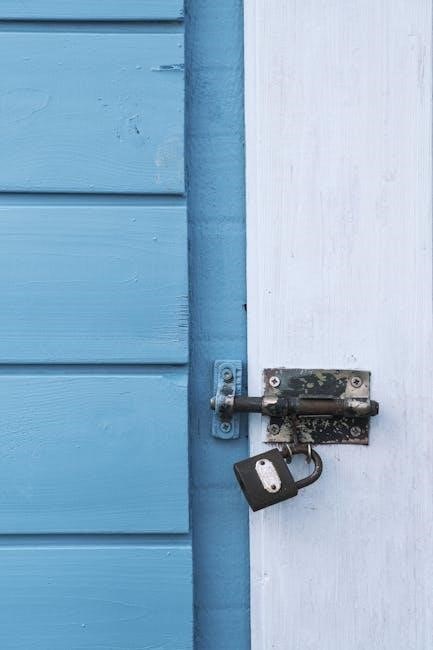
For enhanced security, consider installing a garage door bolt – a heavy-duty locking mechanism that secures the door to the track or frame․ These bolts typically require a key or padlock for operation, providing a significant deterrent to potential intruders․
Position the bolt strategically, ensuring it engages firmly with the receiving bracket․ Regularly inspect the bolt and bracket for wear or damage․ Online resources emphasize that a robust bolt, combined with other locking methods, dramatically increases garage security․
Reinforcing Your Garage Door Security
Boost security by adding deadbolts, security bars, and strengthening hinges․ These upgrades, discussed in security forums, create a formidable defense against forced entry․
Prioritize robust hardware and proper installation for maximum effectiveness, complementing manual locking methods for comprehensive protection of your property․
Installing a Deadbolt Lock
A deadbolt lock significantly enhances garage door security, offering a robust barrier against intrusion․ Installation typically involves drilling to accommodate the bolt and strike plate, ensuring precise alignment for smooth operation․
Choose a high-quality deadbolt with a hardened steel bolt for maximum resistance to tampering․ Secure the strike plate with long screws that reach into the garage door frame’s stud for increased strength․
Consider a keyless entry deadbolt for convenience, but always maintain a physical key as a backup․ Regularly test the deadbolt’s functionality and ensure it engages fully, complementing existing manual locking measures․
Adding a Garage Door Security Bar
A garage door security bar provides an additional layer of defense, physically blocking the door from being opened, even if the locking mechanism is compromised․ These bars typically brace against the door and the floor, creating a strong point of resistance․
Select a bar constructed from durable steel, ensuring it’s adjustable to fit your garage door’s width․ Proper installation involves securely positioning the bar and tightening any adjustment mechanisms․
Regularly inspect the bar for any signs of damage or wear․ Combining a security bar with a deadbolt and side locks offers a comprehensive approach to securing your garage․
Strengthening Hinges and Brackets
Garage door hinges and brackets are critical structural components, and reinforcing them significantly enhances security․ Over time, these parts can weaken, making the door vulnerable to forced entry․ Replacing standard hardware with heavier-duty, reinforced versions is a proactive step․
Ensure all screws and bolts are tightened securely, and consider using longer screws for increased holding power․ Adding metal plates around the brackets can distribute force and prevent bending․
Regular inspection for rust or damage is crucial; addressing issues promptly maintains the door’s structural integrity and deters potential intruders․
Padlock Considerations for Garage Doors
Choosing the right padlock is crucial for manual garage door security․ Opt for weatherproof, high-security models with hardened steel shackles for maximum resistance to cutting and corrosion․
Proper placement, utilizing the door’s locking points, maximizes effectiveness, providing an additional layer of protection against potential break-ins․
Choosing a Weatherproof Padlock
When manually securing your garage, selecting a weatherproof padlock is paramount․ Garages are exposed to fluctuating temperatures and moisture, which can corrode standard locks, rendering them ineffective․ Look for padlocks specifically designed to withstand harsh weather conditions, featuring coated bodies and shackle protectors․
Materials like stainless steel or brass are ideal, resisting rust and ensuring smooth operation․ Consider a padlock with a shrouded shackle to protect it from bolt cutters․ Prioritize locks rated for outdoor use, guaranteeing longevity and reliable security, even in challenging climates․ This proactive step significantly enhances your garage’s overall protection․
Padlock Shackle Size and Security
The shackle size of your padlock directly impacts its security when manually locking your garage․ A thicker shackle is considerably more resistant to cutting and bolt cropper attacks․ Opt for a shackle made of hardened steel for maximum protection against physical force․
Consider the space available on your garage door’s locking points; a longer shackle offers versatility but may be more vulnerable․ Shrouded shackles provide added security by concealing the bolt-cutting area․ Prioritize a balance between shackle size, material, and the specific vulnerabilities of your garage door setup․
Proper Padlock Placement
Strategic padlock placement is crucial when manually securing your garage door․ Position the padlock as high as possible, making it harder for leverage attacks․ Avoid easily accessible locations; the goal is to make cutting or breaking the lock difficult and time-consuming․
Ensure the shackle loops through both locking points on the door, preventing it from being pried open․ Consider using a garage door security bar in conjunction with a padlock for enhanced protection․ Regularly inspect the placement for any signs of tampering or weakness․
Troubleshooting Common Locking Issues
Sticking locks often respond to lubrication, while broken mechanisms may require repair or replacement․ Misaligned strike plates need careful adjustment for smooth operation and security․
Sticking Locks ― Lubrication Solutions
When encountering a sticking garage door lock, the first step is often applying a suitable lubricant․ Avoid using oil-based products, as they can attract dust and grime, worsening the issue over time․ Instead, opt for a silicone-based lubricant or a dry graphite spray․
Carefully apply the lubricant directly into the lock cylinder and any moving parts, working the key or locking mechanism back and forth to distribute it evenly․ Repeat this process several times, and then test the lock’s functionality․ If the sticking persists, consider a more thorough cleaning before re-lubricating․
Remember that consistent lubrication, as part of a regular maintenance schedule, can prevent these issues from arising in the first place, ensuring smooth and reliable operation․
Broken Locking Mechanisms ― Repair or Replace
If your garage door’s locking mechanism is broken, assess the damage carefully․ Minor issues, like a loose bolt, might be repairable with basic tools․ However, significant damage, such as a cracked lock housing or broken internal components, usually necessitates replacement․
Attempting complex repairs without the proper expertise can compromise security․ Consider consulting a professional locksmith or garage door technician for assistance․ Replacing the entire mechanism is often the most reliable long-term solution, ensuring optimal security․
Prioritize a quality replacement part to avoid future failures and maintain the integrity of your garage door’s security system․
Misaligned Strike Plates ⎻ Adjustment Techniques
A misaligned strike plate prevents the locking mechanism from engaging correctly, reducing security․ Begin by loosening the screws securing the strike plate․ Gently reposition it until it aligns perfectly with the bolt or latch․ Tighten the screws securely, ensuring the plate remains stable․
If adjustments are insufficient, the strike plate may require shimming․ Use thin cardboard or metal shims behind the plate to fine-tune its position․ Regularly check alignment, as garage door movement can cause shifts․
Proper alignment is crucial for effective manual locking and overall garage door security․

Garage Door Lock Maintenance
Regular lubrication of locking components prevents sticking and ensures smooth operation․ Inspect for wear, corrosion, and damage, replacing worn parts promptly for continued security․
Consistent maintenance, as discussed in forums, is vital for reliable manual locking and overall garage door functionality․
Regular Lubrication Schedule
Maintaining your garage door’s locking mechanisms through consistent lubrication is paramount for smooth operation and preventing future issues․ A quarterly schedule, utilizing a silicone-based lubricant, is recommended for all moving parts – side locks, central locking components, and bolt mechanisms․
Avoid oil-based lubricants, as they attract dust and grime, potentially causing more harm than good․ Focus on hinges, rollers, and the strike plate․ Following this schedule, as highlighted in online forums, ensures longevity and reliable security, preventing sticking and facilitating easy manual locking․
Regular checks, alongside lubrication, will identify potential problems early on․
Inspecting for Wear and Tear
Routine inspection of your garage door’s locking system is crucial for maintaining security․ Examine side locks, the central locking mechanism, and any added bolts for signs of rust, corrosion, or physical damage․ Check for loose screws or weakened brackets, as these compromise the locking integrity;
Pay close attention to the strike plates, ensuring proper alignment․ Online forums emphasize the importance of addressing even minor wear promptly, preventing potential break-in points․ Regular visual checks, combined with lubrication, contribute to a robust and reliable manual locking system․
Early detection saves on costly repairs․
Replacing Worn Components
When inspections reveal damaged or worn parts, immediate replacement is essential․ This includes corroded padlocks, stripped screws, or fractured locking mechanisms․ Utilize high-quality replacements designed for garage door security, ensuring compatibility with your door type․
Online resources and forums highlight the importance of using the correct tools for installation, preventing further damage․ Don’t hesitate to consult a professional if you’re unsure about the process․ Prioritizing component replacement maintains a strong, reliable manual locking system․
Proactive replacement is key to security․
Alternative Security Measures
Enhance garage security with sensors, alarms, and cameras for comprehensive monitoring․ Motion-activated lights deter intruders, complementing manual locks for robust protection․
These additions provide layers of defense, addressing vulnerabilities beyond the locking mechanism itself, as discussed in security forums․
Garage Door Sensors and Alarms
Integrating garage door sensors and alarms significantly elevates your home’s security profile․ These systems detect unauthorized activity, providing immediate alerts via smartphone or a central monitoring station․
Contact sensors, when affixed to the door and frame, trigger an alarm upon any breach․ Motion sensors inside the garage add another layer, detecting movement even with the door closed․
Wireless systems offer easy installation, while hardwired options provide greater reliability․ Combining these technologies with manual locking reinforces a multi-faceted security approach, deterring potential intruders and offering peace of mind․
Recent forum discussions highlight the effectiveness of these systems when paired with robust locking mechanisms․
Security Cameras for Garage Monitoring
Implementing security cameras focused on your garage provides a visual deterrent and crucial evidence in case of a break-in․ Strategically placed cameras capture activity around the door, driveway, and any potential access points․
Wireless cameras offer flexibility, while wired systems provide a more stable connection․ Features like night vision, motion detection, and remote viewing via smartphone are essential․
Cloud storage ensures footage is safe even if the camera is damaged․ Combining camera surveillance with manual locking creates a strong security perimeter, enhancing protection and offering valuable peace of mind․
Online forums emphasize the importance of visible cameras as a deterrent․
Motion-Activated Lighting
Installing motion-activated lights around your garage significantly deters potential intruders․ When movement is detected, bright lights illuminate the area, startling anyone attempting unauthorized access․
These lights are particularly effective at night, eliminating dark spots where criminals can operate unseen․ Consider lights with adjustable sensitivity and duration settings for optimal coverage․
Combining motion-activated lighting with a manually locked garage door creates a layered security approach․ This dual system provides both a physical barrier and a visible deterrent, enhancing overall protection․
Forum discussions highlight lighting as a simple yet effective security measure․

Garage Door Security Best Practices
Always keep your garage door opener out of sight, secure keys, and remain vigilant about your surroundings․ These habits bolster manual locking efforts․
Prioritize awareness and responsible practices alongside physical security measures for a safer home environment, as emphasized in security forums․
Never Leave Your Garage Door Opener in Plain Sight
Leaving a garage door opener visible inside your vehicle is a significant security risk, essentially handing a key to potential intruders․ This practice negates the benefits of manual locking and other security measures․ Discussions within online forums consistently highlight this vulnerability․
Even with a manually locked door, an easily accessible opener allows bypass of the physical security․ Store the opener securely within the vehicle, preferably in the glove compartment or center console, out of direct view․ Prioritizing this simple step dramatically reduces the chance of a break-in, complementing your manual locking routine․
Keep Garage Door Keys Secure
Similar to garage door openers, physical keys for manual locking mechanisms require diligent safeguarding․ Avoid leaving keys in obvious locations like under the doormat or in a nearby flowerpot – common spots targeted by burglars․ Online security forums repeatedly emphasize this basic, yet crucial, precaution․
Store keys inside your home, in a secure location inaccessible to outsiders․ Consider a lockbox with a combination, though choose a robust model and change the combination regularly․ Protecting your keys is paramount, reinforcing the effectiveness of your manual locking efforts and overall garage security․
Be Aware of Your Surroundings
Maintaining situational awareness is a critical, often overlooked, aspect of garage door security․ Before manually locking your garage, scan your surroundings for any suspicious activity or individuals․ Trust your instincts; if something feels off, delay locking and investigate further or contact authorities․
Recent forum discussions highlight the importance of neighborhood watch programs and reporting unusual behavior․ Being observant and proactive can deter potential intruders and contribute to a safer community․ A secure garage starts with a vigilant homeowner, actively engaged in their surroundings․
Understanding Garage Door Vulnerabilities to Break-ins
Garage doors present weak points in home security, often targeted by thieves․ Common techniques exploit construction flaws, making manual locking crucial for added protection․
Forums emphasize securing vulnerable areas, reinforcing the need for proactive measures beyond standard automated systems to deter potential intrusions․
Weak Points in Garage Door Construction
Garage doors, while convenient, possess inherent vulnerabilities․ Older models, or those with flimsy construction, are particularly susceptible to forced entry․ The door itself, especially around the locking points and hinges, can be pried open with relative ease․
Panels can be kicked in, and the track system can be manipulated․ Discussions on online forums highlight the importance of strengthening these areas․ Weaknesses also exist in the door’s connection to the frame, and the materials used – thinner doors offer less resistance․ Addressing these structural shortcomings is paramount for enhanced security․
Common Break-in Techniques
Thieves employ several tactics to breach garage doors․ A prevalent method involves using a coat hanger or similar tool to manipulate the emergency release cord, disengaging the automatic opener․ Prying open the door at the locking points, or forcing the panels, are also common approaches․
Kick-ins targeting weaker door sections are frequent, as are attacks on the track system․ Online forums detail how burglars exploit vulnerabilities․ Furthermore, gaining access through a connected, unlocked entry door is a significant risk, bypassing the garage door security altogether․
The Importance of a Secure Garage Door
A secure garage door is paramount, acting as the first line of defense against home invasions․ It safeguards not only vehicles and belongings but also provides a barrier to accessing the house itself․ Neglecting garage door security significantly increases vulnerability to theft and property damage․
Discussions on online forums consistently highlight the garage as a common entry point․ Reinforcing locking mechanisms, utilizing deadbolts, and maintaining awareness of surroundings are crucial steps․ A robustly secured garage contributes significantly to overall home safety and peace of mind․